Our Impact

We’ve made the link between NRPF and child poverty impossible to ignore
24 MPs have signed our Early Day Motion on NRPF and child poverty, tabled by Olivia Blake MP, signalling growing parliamentary recognition of the link between immigration status and family hardship.
NRPF has also been explicitly named in the government's Child Poverty Strategy — a significant milestone — and NRPF-specific questions will be included in the Family Resources Survey, enabling more accurate measurement of poverty among affected households for the first time.
We also hosted a parliamentary drop-in on children in the asylum and immigration systems, convened by John McDonnell MP. The event brought together parliamentarians and advocates to examine how NRPF and asylum policies shape the lives of children in the UK.
We’ve commissioned research that’s being used by MPs
Independent research we commissioned has estimated that the policy to double the time it takes for migrants to qualify for settlement in the UK - from five to ten years - will prolong poverty for 60,000 to 90,000 children of foreign workers by 2029. MPs are now using this to help them object to this unfair policy.
We’ve found out which messages actually change minds.
We commissioned narrative research to find out what shifts public opinion on NRPF – and we're training spokespeople, including people who've lived under NRPF, to use those messages effectively.
We’re funding 13 groups led by people with lived experience of NRPF
In our first ‘re-granting’ round, we distributed grants to 13 groups led by people with lived experience of NRPF, doing a variety of projects and meeting throughout the year to share learnings. In our next round of funding we’ll be inviting proposals around key themes and priorities in our strategy. [Link to Strategy summary doc]
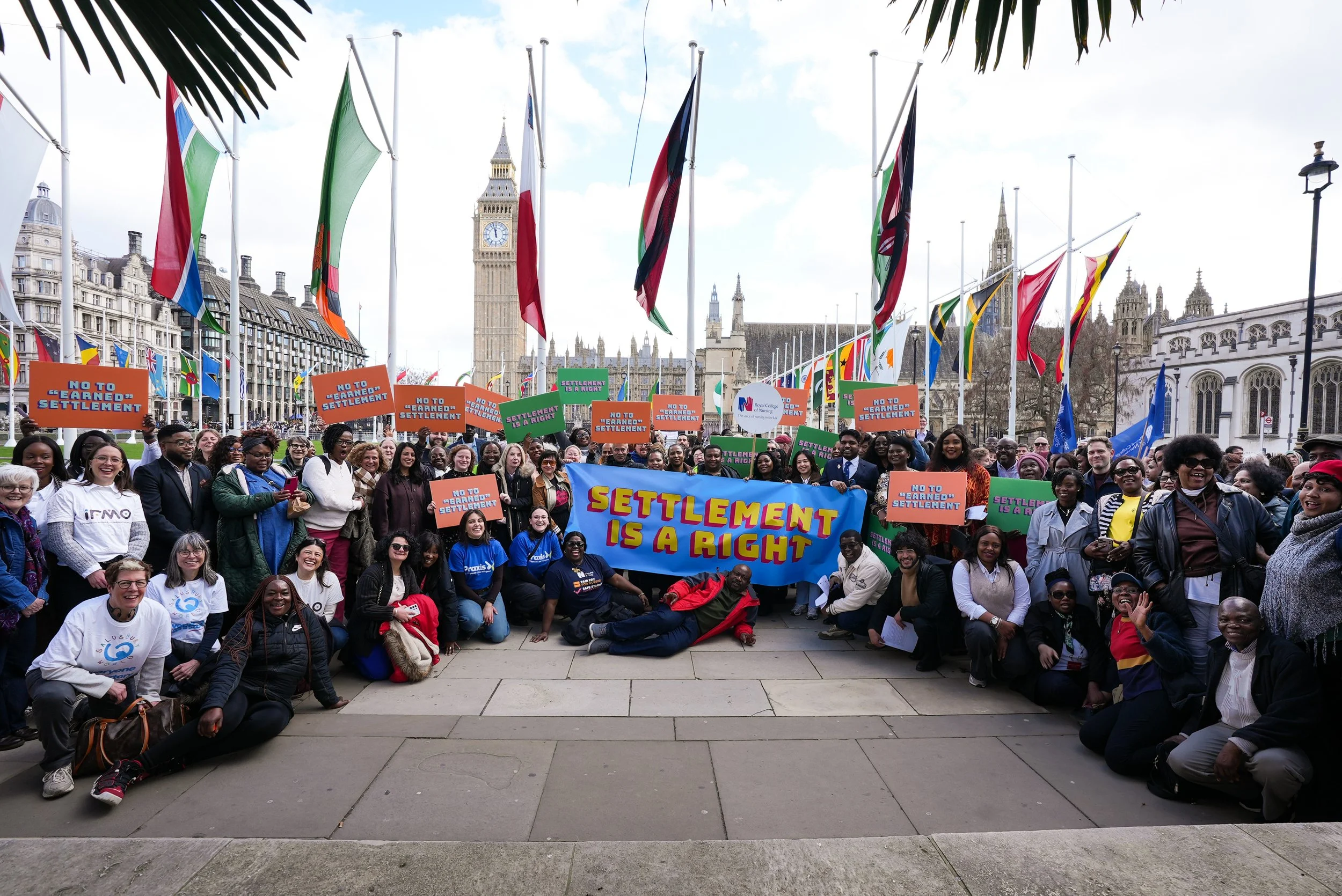
We’ve taken NRPF to Parliament’s door
On 11th March 2026, we brought together over 500 people from across the UK for our biggest action to date: a mass lobby of Parliament to call out the new ‘earned settlement’ proposals. Constituents met over 100 MPs face to face, sharing what NRPF means in practice — and why proposals to extend it to more people, for longer, must be reconsidered.
We're continuing to map parliamentary support for NRPF reform constituency by constituency, tracking how these conversations shift MP sentiment, and building the relationships needed for sustained political pressure.
What's next
The May 2026 elections and the government's child poverty strategy create two windows to push for change. Here's other areas where we're focusing.
1.
A stronger coalition.
We're bringing in organisations from beyond the migration sector – children's charities, housing groups, domestic abuse services, unions, faith institutions – so that NRPF reform is no longer seen as a migration issue alone.
2.
More resources distributed.
We’re developing grants to go to organisations who are able to advance key elements of our strategy and build networks in their regional areas.
3.
Better data.
We're publishing research briefs on the areas where evidence is thinnest, and pushing for the government to improve how it collects and publishes data on NRPF's impacts.
4.
Confident spokespeople.
We’re training and launching a spokesperson network of people who can speak confidently, effectively and safely to change minds on NRPF.
Get involved
If your organisation works with people affected by NRPF – or with the issues it touches – there's a role for you in this partnership.